Also can anybody tell me how to send an email from my phone please help me
Date yourself; Everyone else is already taken.
— Karl Marx
This is the blog where me, a boomer, talks about comic books. I hate Mexicans.
Back in my day comics books are better
Date yourself; Everyone else is already taken.
— Karl Marx
This is the blog where me, a boomer, talks about comic books. I hate Mexicans.
Mmm, Yoda I am. Star Wars I am from. Talk weird I do.
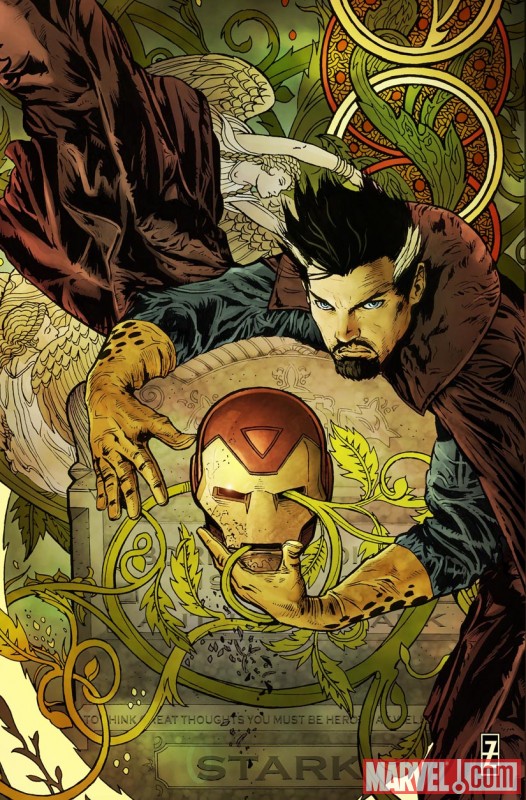
Since the dawn of pop culture, two main genres of fiction dominates the media, two genres that, by all means, should incompatible: Fantasy, medieval fictions inspired by myths and folklore, and Sci-Fi, futuristic fictions involving advanced science and technology. Most would agree that a bullet to Voldemort’s head should end the plot of Harry Potter and the Deathly Hallows very, very quickly. However, there are more exceptions than one might realize. The DC and Marvel Universe are two of the most notable fictional worlds where Science and Magic coexist. It should be noted that the distinction between them is very clear-cut: Sci-fi-based superhero powers rarely interact with magical abilities in any meaningful way. For example, Iron Man might occasionally appear as a supporting character in a Dr Strange story, but it is unlikely that he is the hero that saves the day.
Star Wars, a universe of clone troopers and space wizards, of blasters and lightsabers, of giant death lasers and spiritual force that binds the universe (first guy to say midichlorians gets shot in the face), from more or less features the same division as well. The clash between those seemingly irreconcilable genres is much more evident here, however. The premise, the conflicts of the prequel trilogy and original trilogy seems like a giant battle royale: Droids fight Jedi, Troopers fight droids, Jedi fight troopers, Rebels fight (evil) jedi, so on and so forth. Furthermore, theoretically speaking Star Wars has a very strict power hierachy (power levels of characters). Jedi, who ultilize the Force to channel a number of superhuman powers, such as telekinesis, summoning, mind control, lightsaber wielding and being super-hypocrites, is supposed to be at the top of the food chain. Relatively conventional weapons like blaster, which they consider inconsequential and far below their power level, are completely ineffective against them.

Until they aren’t.
You might remember Order 66 from Revenge of the Sith, where Jedi Masters, of whom we were told are disciplined and unbeatable space monks / warriors, who can cut through battle droids like butter and lift 100-ton boulders with no effort, are turned on and gunned down by their own troops like amateurs, by a few blasters. To be fair, there was a little more than just a few, but Jedi are supposed to be able to bring down entire armies. If you’ve seen Revenge of the Sith you know some of them didn’t even put up a fight; they get shot once in the shoulder and just dies. Every Jedi in the galaxy, besides Yoda and Obi-Wan, were eventually hunted down by Stormtroopers who can’t aim even if their lives depend on it, much less use the Force. You can see why it takes a bit of suspension of disbelief and mental gymnastics.

Another thing the Prequels did is giving us General Grievous. Grievous is a cyborg with asthma that cannot use the Force. He also happens to be one of the greatest and most fearsome lightsaber duelists of all-time, and a notorious Jedi hunter that killed hundreds of Jedi in one-on-one fights. The in-universe explanation is that he was trained to use stealth and intimidation tactics that prevents Jedi from calling on the Force. But that only gets you so far when there are Force powers that literally allows you to shut down or crush mechanic parts, of which 99% of Grievous’ body is made of.

It’s not hard to see where I’m going with this: When Sci-fi and Fantasy collide, when science and magic were inseparably interconnected in a universe, how does one demonstrate the prowess of one of them without humbling the other?
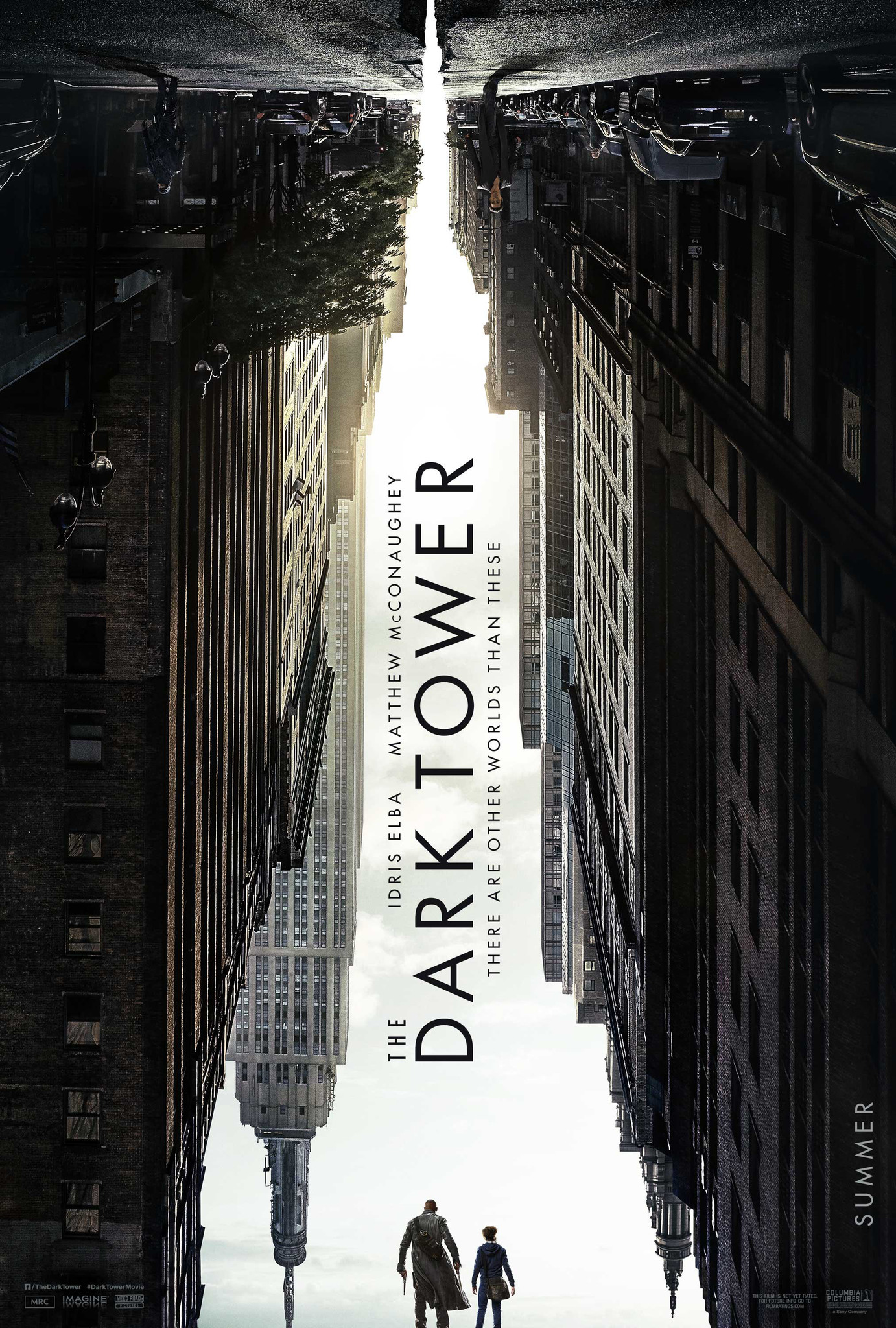
Life, uh, finds a way. Science fantasy, as the name implies, is a mixed genre combining elements of both Sci-fi and Fantasy, purposefully creating a setting that emulates the feeling of both. Seasoned writers are able to craft a story that strikes just the right balance, with neither side being overbearing or exerting an unbelivably intrusive presence on the established mythos. A good example would be Stephen King’s The Dark Tower, where “post-apocalyptic oil refineries, nuclear-powered water pumps, and the music of ZZ Top co-exist with wizards, succubi, and gunslingers who fight for truth and justice in the Arthurian tradition.” A number of methods are used to maintain this equilibrium; Sometimes the blend between sci-fi and fantasy can be only seen in the larger setting, rather than being an active part of the plot; Occasionally the stories are character oriented and feature tropes that are very subtle and common to both sci-fi and fantasy. Star Wars, for all intents and purposes, is a Science Fantasy, albeit an uneven one because of the sheer number of stories taking place in the universe that shys away from the creators’ original intent.
Science Fantasy is commonly defined as ANY story that incorporates both sci-fi and fantasy tropes, no matter how small they are. From that line of reasoning, worlds that appears to be purely sci-fi or fantasy ones at first glance, like Star Trek, Dr Who, Dragonball can all be considered science fantasy stories. It gets more complicated when we take into account different intepretations of what “science” and “fantasy” is. Are 17th century-esque industrial machines “science”? If your answer is yes, then Lord of the Rings and Legend of Zelda are science fantasies. Are supenatural beings and eldritch abominations “fantasy”? Well, Godzilla, Battlestar Galactica, Fallout, Halo… They’re all science fantasies.
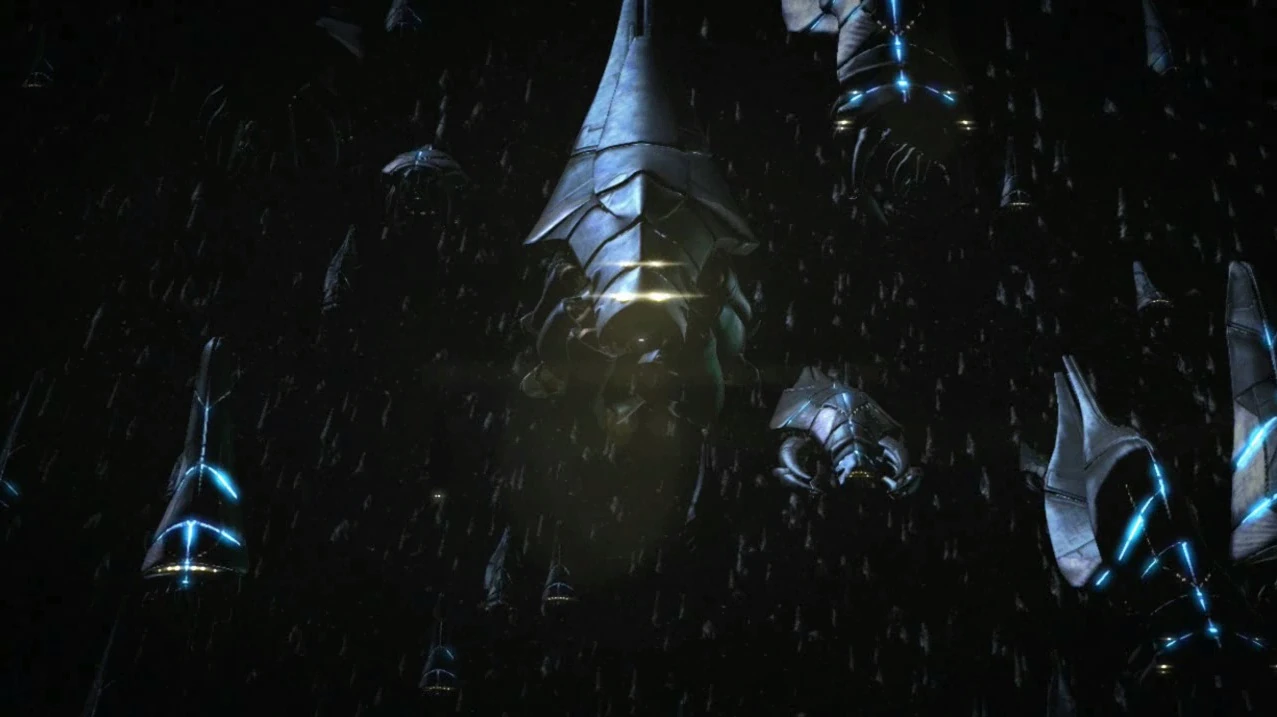
Most of these works actually lean towards one genre or the other, while containing elements of both. A more accurate description would probably be “Fantasy with a dash of Sci-Fi” or “Sci-Fi with a little bit of Fantasy”. You’ll be hard-pressed to find a universe where Knights in Shining Armor fight killer robots with magic; it’s usually a lot more subtle than that. Creators, for many, many reasons, may inadvertently give birth to those little in-universe inconsistencies like the aforementioned examples from a galaxy far, far away, because the connections and boundaries between these two genres may not really be properly defined. The video game Doom is one of the biggest offenders of this, featuring a regular space marine on Mars fighting the hordes of Hell with a shotgun.

It doesn’t necessarily mean it’s always a bad thing, though. The premise of Doom, as absurd as it is, works fantastically for a 1st person shooter, and nobody ever said General Grievous isn’t absolutely badass. We can still appreciate those stories despite those discrepancies. Creators are always forced to make hard choices, but those choices are ultimately in service of the plot, and in the end that’s what really matters.
Since nobody asked, here’s a blog about my intimate personal life, just in case if you were wondering I’m a Russian bot sent to spy on you destabilize western society by… writing blogs about comics, for some reason.
Anyway, I live in this lofty little place called China, where the air is sweet, the land is great and people piss gold. There’s also tons of old people with no manners so you bet I feel right at home. Nothing makes me happier than an uneducated, aging population as a result of a 10-year dictatorial birth control policy.

I spend my twilight days on a school campus. You may think I’m a teacher, a retarded student who dropped out 9 times and still hasn’t finished high school, or just plain retarded. But you’d be wrong. I simply live on the campus in the student dorm like it was my own apartment. Turns out once you get inside the campus they don’t care if you’re a student or not, and you can help yourself to practically everything, food, beds, goddamn toilet papers. Crazy, I know. It’s like a free hotel, only that you can sleep on any bed, in any room you like. Everybody should try it.
I made quite a few boomers friends during my free unlimited vacation at Shanghai Pinghe International School. I’m going to tell you about them and we can all have a little laugh.
Howard is a straightforward man.His back is straight. His head is straight. He always walks in a straight line. Also, he IS straight. Which is probably why he always say the word “straightforward” after reading every word off his teaching notes, towards a class that has long fallen into deep, enchanting slumber. Some believe him to be a physical manifestation of the Sandman of legends, as he is able to put a student to sleep in a matter of seconds upon hearing his voice. His hobby probably involves staring at a wall for extended periods of time and walk using his two feet, in an orderly manner. Also, hypnotizing. It is a miracle that I remember he is an actual, living person that exists, much less write this much about him. A literal corpse may be more alive, or have more original thoughts.

OK, might be exaggerating for a bit there. Howard teaches… what exactly? … at the school. To be fair, he’s more of a student advisor than a teacher, who I assume actually teach. His class has already given up on him, given up on trying to tell him you can’t just write everything in the book on the blackboard and expect everybody to understand, and that an average 12-grader is physically incapable of doing 17 pages of Physics homework every day. If he has any emotions to speak of, I gather he must feel some sort of sadistic glee watching his class suffer. And that’s just fine by me. Me and Howard agrees those pesky Gen Zs had it too good for too long.
He’s John Doe because I don’t know his name, not because he’s dead or anything. He came here yesterday talking to students about how they’re all gonna fail and no college would want them, and I just think he’s a swell guy. If there’s ever a golden standard for an ideal boomer it would be this dude. White sideburns? Check. Face made of wrinkles? Check. Speaking in a slow and condescending voice? Yeah. speaking in a way that absolves himself of personal responsibilities? Heck yeah. All boomers should strive to be like him.
I really wanna hang out with him and talk about our mutual fascination with rotary phones, but unfortunately he had to go back to his home in a faraway land called “Canada”. I’ve never heard of it, but it’s probably in Australia.

Yeah, I don’t know his name either. I’m not a name guy. I’m not an anything guy really, but just bear with me.
The cooks at Pinghe Cafeteria are valuable allies in our fight to make the lives of Millenials and Gen Zs worse. In fact, they’re more effective at hurting them than one can possibly realize. Imagine if you’re a Gen Z student, weary and hungry after a day of dealing with our crap and learning how to fix the world we broke, going to the cafeteria hoping to at least get some decent food, and then they get stuff little better than dog food. Our hardworking cooks manage to turn perfectly good ingredients into nuclear waste. I’ve seen students chewing their pencils for dinner because it would taste better. It is said that the torture of putting those unholy abominations in your mouth is akin to having your tongue cut off AND burnt, in that order. Kudos to the cooks for making the world a worse place every time they try to make a “meal”.
I am a 100% pure, undilated boomer and proud of it. Unlike young punks today, back in the good ol’ days I enjoy watching black and white TV shows about housewives, I could smoke on airplanes and beat up my milkman. However, there is one thing I enjoyed the most, almost as much as creating a giant hole in the ozone and ruining the atomsphere for future generations. I enjoyed reading comic books.

The 1960s were a wonderful time. It gave us fantastic events like the Cuban Missile Crisis and Vietnam War. It killed a generation’s hopes and dreams of global coexistence, and it also gave us Spider-Man and the Fantastic Four. Comic books were in full swing, and there has never been a greater time reading and yellow floppies whose pages felt and ripped out like toilet paper.
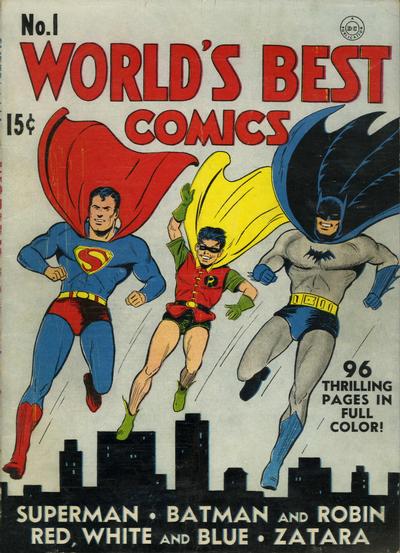
The 1960s, an era known as the Silver Age of comic books, was notable for a number of things: while the Golden Age of 1930s first introduced American Comic Books as we know it and laid the foundation of what was to come (such as Batman and Superman), the Silver Age truly popularized comic books. With rising sales booming popularity of new (and enduring) characters such as Green Lantern and Iron Man, comics were no longer considered a marginalized (niche) media, but an entertainment behemoth to be reckoned with.
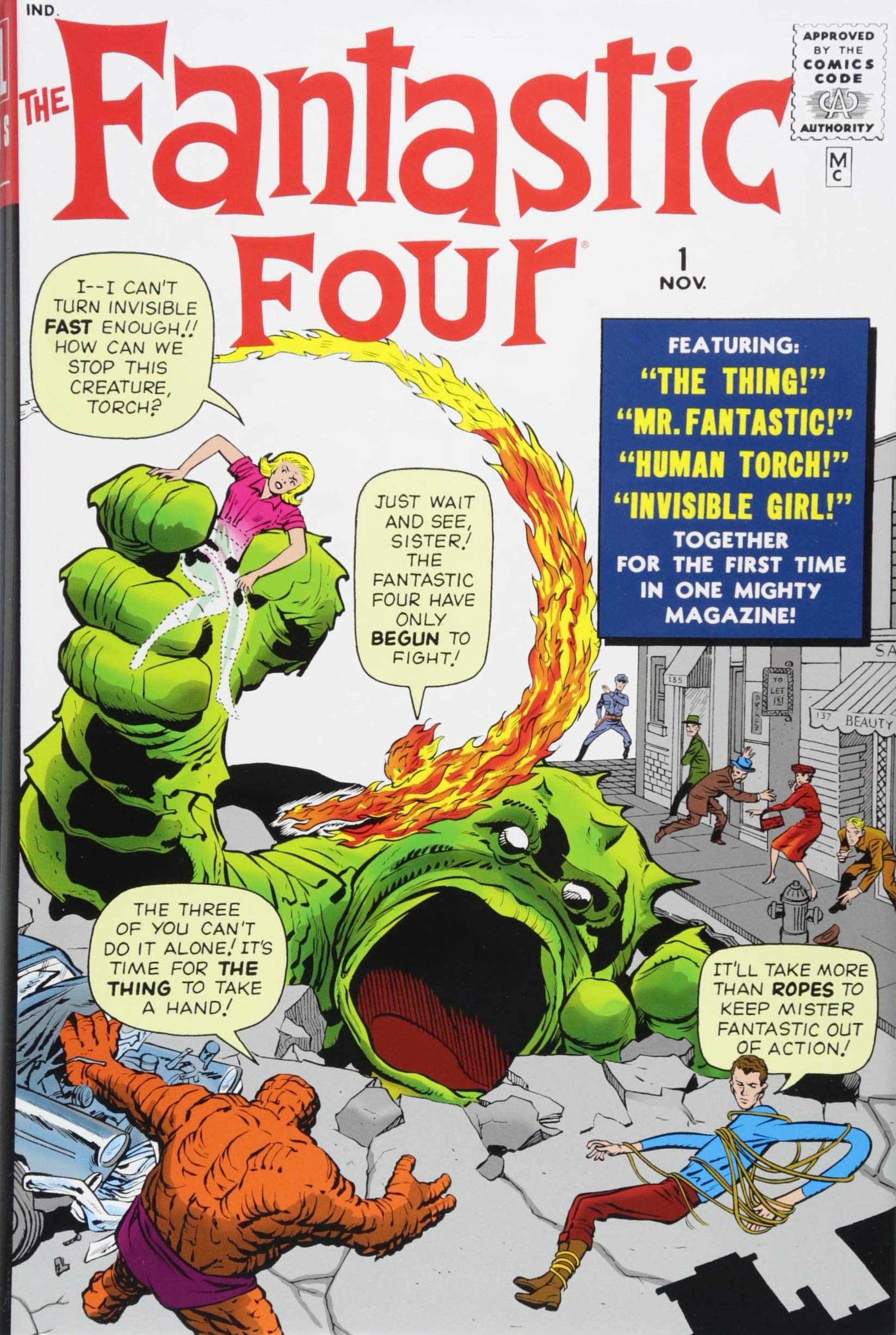

Nearly everything about the Silver Age is distilled in one Superhero team: the Fantastic Four. The first of many creations of Jack Kirby and Stan Lee (undoubtedly the most influential creators of that era) the Fantastic Four helped to usher not only the modern age of Marvel Comics, but a new level of realism and storytelling in the medium. The four represents a marked change in trend for comic book heroes; unlike the highly postive and perfect characters of the Golden Age (i.e. Superman), the Fantastic Four are heavily flawed, all of them having to deal with their own demons and hubris. Conflicts and squabbles between team members was common in early stories. Another Stan Lee creation, Spider-Man, is similarly an everyday man that sometimes had to deal with very realistic issues. At the same time, they all have very distinctive and colorful personalities, compared to the characterizations of Golden Age characters like Captain America, which are essentially blank slates. This helps making them relatable to the readers. Finally, Lee and Kirby also introduced many iconic and long-lived elements of the mythos, such as the diabolical monarch and genius, Dr Doom, the powerful cosmic beings, Galactus and Silver Surfer, the space-faring alien empire known as the Kree, the Inhumans, a race of super-powered beings, and finally, the first African superhero in comics, Black Panther. All of them were considered revolutionary at the time, and made way for more creative and diversified stories in the industry moving forward, as well as the emphasis on Sci-Fi elements.
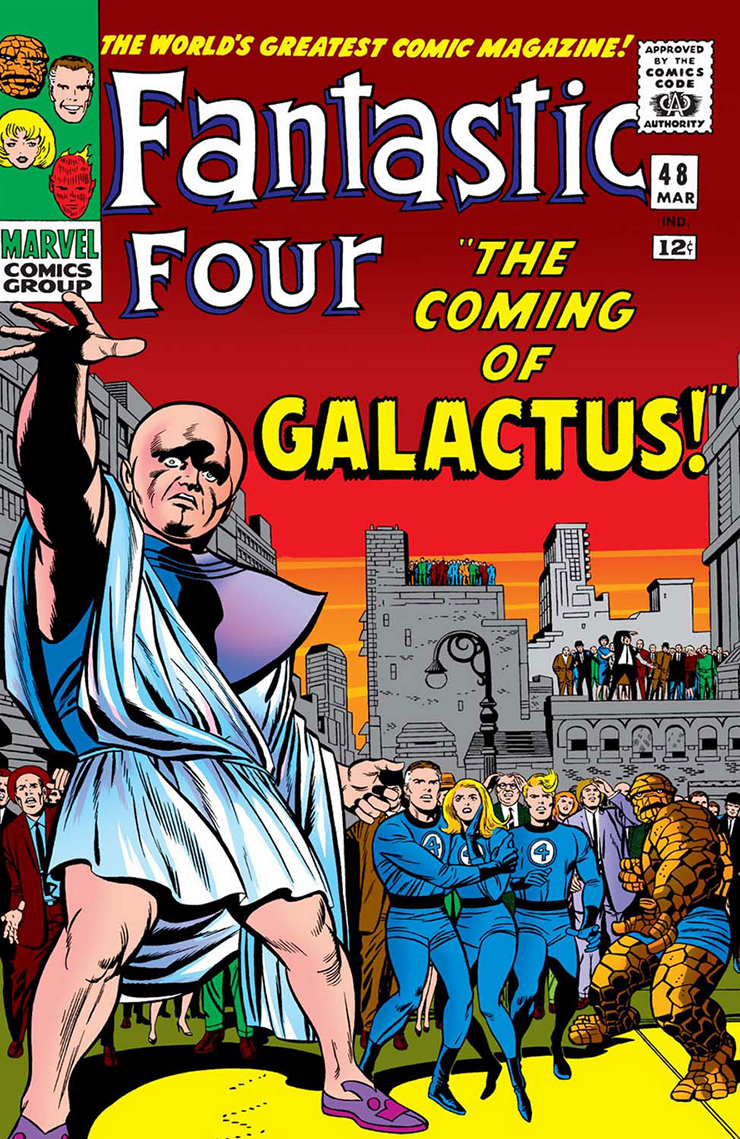
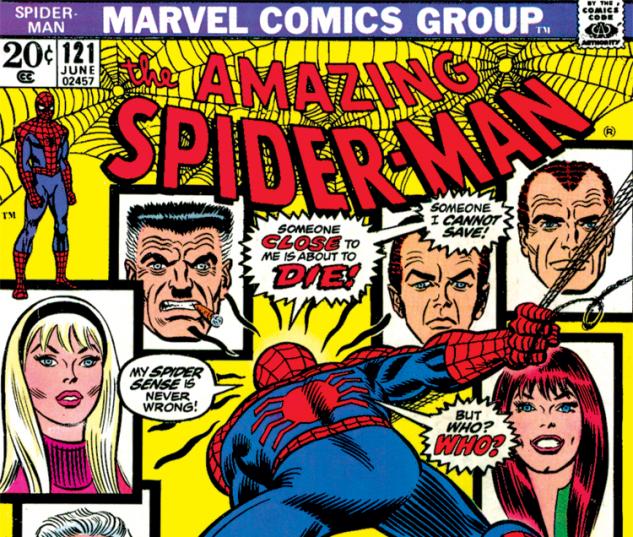
However, one aspect that remain relatively unchanged from the Golden Age is the continued prevalence of fantastical, wacky, and, as some might say, ludicrous stories. To quote comictropes.com, “The Silver Age was a time of talking gorillas and super-powered pets, of covers that were created before the story and seventeen types of Kryptonite. It was naive and visionary, futuristic and outdated.” After all, children and teenagers were still the main target audience. The emergence of more mature concepts didn’t come much later, with the end of the era. The Silver Age is succeeded by the Bronze Age of comic books. Though exactly when Silver Age ended and Bronze Age began is debatable, many readers consider it to be Amazing Spider-Man #121 (June 1973) with the shocking death of Spider-Man’s love interest, Gwen Stacy (annoying readers might know the sequence was adapted in that Sony Spidey movie that nobody saw).
In short, if Golden Age was the Genesis of comic books, Silver Age was its evolution. Every superhero movies, shows and video games today owes something to the Silver Age of comic books. Eventually Millenials would ruin comics FOREVER, but hey.

 Asfaloth's comic book boomers